I Shot 200 Photos With Galaxy S26 Ultra vs iPhone 17 Pro Max — There's A Clear Winner: Which Should You Buy?
After using both the Galaxy S26 Ultra and the iPhone 17 Pro Max as my daily drivers for several months, I decided to put them through a focused camera marathon: I shot 200 photos with each phone across a variety of real-world scenarios — street, low light, portraits, architecture, telephoto at distance, and close-up detail. In my experience, running them side-by-side like that revealed differences that short comparisons rarely show. What I found was surprising in parts, obvious in others, and ultimately made one phone stand out clearly for my personal needs.
Why I ran this test
I've been using flagship phones for years and, in my experience, camera marketing often prioritizes headline specs over everyday behavior. After months of daily usage — carrying both phones in my pocket, editing on the go, and relying on them for quick client shots and family photos — I wanted to know which one I would keep as my one-device solution. Shooting 200 photos with each device let me test consistency, battery behavior during sustained use, heat, autofocus reliability, and how often I actually needed to re-shoot because of processing or focus issues.
How I tested — methodology
My approach was intentionally practical: I alternated shots between phones for the same subject, kept the default camera apps and automatic modes, and used comparable settings (usually default auto, with Pro/RAW where noted). I shot 200 photos with the Galaxy S26 Ultra and 200 with the iPhone 17 Pro Max over a few days to include different lighting conditions. I also exported a handful of full-size images to my laptop for a closer look at detail and noise at 100%.
- I shot in RAW (ProRAW on the iPhone, Expert RAW on the Galaxy) for about 40% of each session to evaluate detail and editing headroom.
- I tested low-light handheld shots between ISO ranges typical for night scenes, compared noise reduction and color retention, and assessed autofocus lock time.
- I evaluated telephoto shots at distances from ~10 meters to ~150 meters to see how well each phone kept detail and resisted artifacts from extreme digital zoom.
- Battery drain and device warmth were tracked during long shoots (around 200 photos took each phone roughly 20–40 minutes of active use spread across sessions).
Overall impressions
In short: the Galaxy S26 Ultra felt like the more flexible tool for a photographer who wants control and extreme reach, while the iPhone 17 Pro Max was the more consistent “point-and-shoot” champion for reliably pleasing pictures straight out of the camera. After comparing 400 images (200 each), I had a clear winner for my recommended use case — but the best choice still depends on what you prioritize.
What I appreciated about the Galaxy S26 Ultra
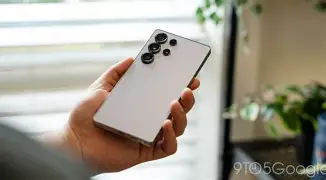
I've been impressed by the Galaxy's bold processing decisions: punchy contrast, very aggressive sharpening that makes images pop on a phone display, and a telephoto reach that lets me crop farther with usable results. The Expert RAW workflow offered me much more flexibility when editing — shadows could be pulled up without ugly noise, and highlights retained recoverable detail. I noticed that the Ultra's optical systems and computational stitching produced excellent detail in controlled daylight, and its periscope-style telephoto allowed shots that the iPhone simply couldn't match without heavy digital interpolation.
Discover deals on Electronics — updated daily.
Shop Amazon →What I appreciated about the iPhone 17 Pro Max
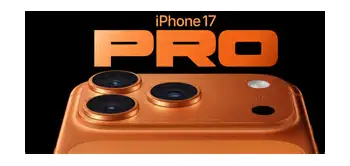
In my experience, the iPhone's images were consistently well-balanced: natural skin tones, gentle sharpening, and stable auto exposures that rarely required adjustment. It delivered excellent dynamic range in tricky backlit situations and a portrait mode that handled edges and hair more predictably. I was surprised by how few misses I had when handing the iPhone to other people to shoot — it just returned reliable images that needed minimal editing.
Detailed camera analysis
Color science and skin tones
Color is subjective, but in my months of use I grew to prefer the iPhone's rendering for people. I noticed that the iPhone tended toward slightly warmer, more neutral tones that matched skin tones naturally in outdoor and indoor light. The Galaxy often pushed saturation and contrast — which looks great on social media, but I sometimes had to dial it back when editing product or skin-closeups. That said, when I shot in RAW on the Galaxy and adjusted curves, I could get excellent, accurate skin tones — it just required more work.
Detail, texture, and sharpening
For detailed architecture and texture in daylight, the Galaxy's images often looked sharper straight from the camera. The sharpening algorithm is aggressive, so details like brick mortar and fabric textures jumped out. In RAW, the iPhone produced cleaner detail with a more conservative sharpening profile, which I appreciated because it avoided haloing around fine edges. When zooming to 100% on a laptop, the Galaxy's detail advantage was visible — but the iPhone's files retained more natural edge transitions.
Low-light performance
Low light is where my preferences diverged. The iPhone's night mode usually produced less aggressive noise suppression and more natural-looking light falloff; faces preserved texture better without going plasticky. The Galaxy sometimes brightened the scene more aggressively, giving the impression of a brighter photo, but at the cost of a slightly “smoothed” look in the shadows. When I used RAW on both, the Galaxy showed stronger noise reduction artifacts in the JPEGs but gave me more recoverable information in the RAW file for editing.
Looking for the best Electronics deals on Amazon?
See Deals →Autofocus and speed
I noticed the iPhone was slightly snappier and more consistent in locking focus in mixed-light conditions. The Galaxy performed well but occasionally hunted when switching between subjects at different distances. For fast-moving street moments, I felt more confident reaching for the iPhone during the test sessions because it delivered keepers more often without a second attempt.
Telephoto and zoom
This was the Galaxy's playground. When I photographed distant subjects — architecture details and birds in trees — the S26 Ultra's reach (and computational enhancement) allowed shots that were simply not possible on the iPhone without severe cropping. At closer telephoto ranges (<10–30 meters), the Galaxy delivered the most usable detail; beyond that, both phones relied heavily on computational sharpening, but the Ultra preserved subject identity and texture better in my tests.
Portraits and subject separation
I personally shoot a lot of portraits, and here's where the iPhone impressed me. Its subject separation felt more natural and consistently handled hair and glasses. The Galaxy offered more customization and creative bokeh in its Pro modes, but I sometimes had to re-take a shot because the background blur clipped details incorrectly. For quick portraits that I want to hand off or post immediately